

The chip stops bothering your tongue after a week or two, so it feels like it healed. It did not. Here is the difference, and when it matters.
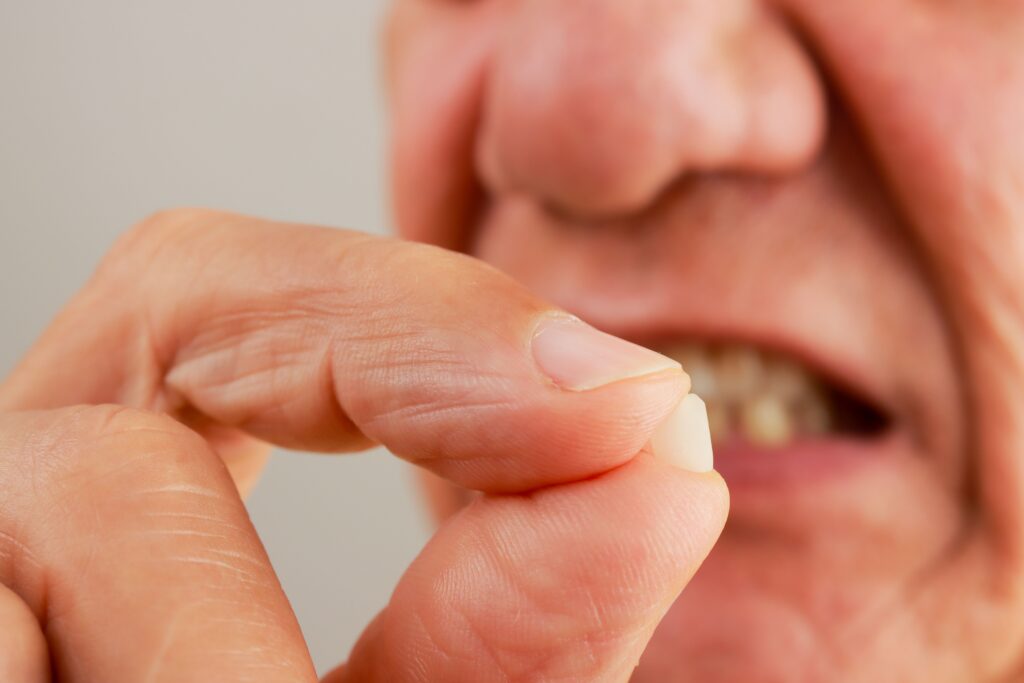
No. Enamel contains no living cells and no blood supply, so a chipped tooth cannot repair or regrow itself the way a bone or a cut in your skin does. What usually happens is that your tongue stops noticing the rough edge within a week or two, and the sharpest points get worn slightly smoother by chewing. The missing enamel is still missing, and it will stay missing until it is restored.
This is one of the few dental questions where the popular answer and the true answer point in different directions, and the reason is easy to understand once you know it.
People chip a tooth, notice a sharp edge, spend a week running their tongue across it constantly, and then one day realise they have stopped noticing it. That genuinely feels like healing. It is not, and the distinction matters more for some chips than others.
What Is Really Happening
Enamel is the hardest substance in the human body and it is also the only major structure in it that has no capacity for repair. It is formed before the tooth erupts by cells that then disappear. There is nothing left in there to rebuild it.
So when a chip stops feeling rough, one or more of these is what actually happened.
This accounts for most of it. The nervous system stops reporting an unchanging sensation after a while, which is the same reason you stop feeling your watch. The edge is exactly as sharp as it was. You have simply stopped attending to it.
Chewing does slowly abrade the most prominent points of a fresh fracture. This is real, it is measured in weeks to months, and it produces a blunter but still irregular edge. It does not refill anything.
Saliva can redeposit minerals into microscopic surface defects and early softening. That is a genuine process and its scale is tiny. It closes microscopic pores, not a visible chip.

How Serious Is It
A tooth has three layers, and which one the chip reaches determines almost everything about how urgent it is. This is the part worth knowing before deciding to leave it.
| What was chipped | How it usually feels | What it typically needs |
|---|---|---|
| Enamel only, a small chip on an edge or corner | Rough to the tongue, no sensitivity to hot or cold. | Smoothing, or cosmetic bonding if it is visible. Not urgent, and worth booking within a few weeks so the edge does not propagate. |
| Into the dentine, the softer layer beneath | Noticeably sensitive to cold, sweet things, or air. Often looks yellower at the chip. | A restoration to seal the exposed dentine. Dentine is much softer than enamel and wears and decays faster once uncovered. |
| Into the pulp, the nerve at the centre | Sharp pain, throbbing, visible pink or red at the fracture, possibly bleeding. | Urgent. This is a dental emergency and usually needs root canal treatment to save the tooth. |
| A crack rather than a chip | Pain on biting down, or more typically on releasing the bite. May look like nothing at all. | An examination promptly. Cracks propagate, and a cracked tooth caught early is a very different repair from one caught late. |
| A chip on a tooth that already has a large filling | Variable, sometimes nothing at all. | Assessment sooner rather than later. The remaining tooth structure is thinner than it looks and these fracture further. |
Most chips can wait for a normal appointment. These cannot, and same-day emergency dental care is the right call.
Why Waiting Costs More
A small enamel chip is genuinely low urgency. It is not zero urgency, and the reasons are worth knowing so the decision is a real one rather than a default.
A chip creates an edge where chewing forces concentrate. That is exactly the condition under which small fractures become larger ones, and the next piece to break is usually bigger than the first.
Dentine is considerably softer than enamel and has microscopic tubules running through it. Once it is uncovered it wears faster and is more vulnerable to decay than the enamel that used to cover it.
Those tubules connect toward the nerve. A chip that is mildly sensitive to cold now often becomes more so as the exposed surface wears.
A sharp edge on a front tooth will keep catching the tongue or the inside of the lip. Repeated trauma to one spot is a genuine irritation and occasionally a persistent ulcer.
Bonding a small chip is a single short visit with no drilling in most cases. The same tooth after a second fracture may need a crown. The gap between those two is substantial in both time and cost.
A chipped chewing surface changes how the teeth meet. Over time that can move wear onto other teeth or contribute to jaw discomfort, which is a much harder problem to trace back.
The Options
The repair depends on the size and the location, and the range is wider than most people expect. Not every chip needs a crown, and most do not.
For the smallest edge chips. The dentist reshapes the edge so it is smooth and even. Often no anaesthetic and no drilling, in one short visit.
The most common fix for a visible chip. Tooth-coloured composite is shaped onto the tooth and hardened, matched to the surrounding shade. Usually one visit. See cosmetic bonding.
Where the chip is on a front tooth and the appearance of the whole tooth is part of the concern. Porcelain veneers and same-day no-prep options both exist, and which one suits depends on how much enamel is left.
Where a large portion has broken away, or the tooth already carried a substantial filling. A crown covers the whole tooth and takes the chewing load off the weakened structure.
Only where the fracture reached the pulp. The nerve is treated first, then the tooth is covered. This is what the emergency list above is trying to help you avoid needing.
People Also Ask
No. Enamel has no living cells and no blood supply, so it cannot regrow or repair itself. The sharpest points of a fresh chip do get slightly worn down by chewing over weeks, and your tongue stops noticing the edge within a week or two, which together make it feel as though the tooth healed. The missing enamel is still missing.
Not in any meaningful sense. Saliva can redeposit minerals into microscopic surface defects, a process called remineralisation, but that operates at a scale far below a visible chip. Anything you can see or feel with your tongue will not fill back in.
Small chips are extremely common, particularly on the biting edges of front teeth, and most are not urgent. Common is not the same as harmless: a chip concentrates chewing forces at its edge, which makes further fracture more likely, and it is a much smaller repair now than after the next piece goes.
It depends on how deep it goes. A small enamel-only chip with no sensitivity can wait for a normal appointment. Go the same day if you can see pink or red at the fracture, if there is severe or throbbing pain, if a large piece has broken off, if there is swelling, or if the edge is cutting your tongue or lip.
Because the chip has gone past the enamel into the dentine underneath. Dentine contains microscopic tubules that connect toward the nerve, so temperature changes and sweet things register directly. Sensitivity is the sign that the chip is deeper than enamel and needs sealing rather than just smoothing.
Yes. The edge of a chip is where chewing forces concentrate, so further fracture is more likely there than anywhere else on the tooth. Exposed dentine also wears and decays faster than enamel. A chip that would take one short bonding visit today can become a crown after the next fracture.
Smoothing and polishing for the smallest edge chips, cosmetic bonding for most visible ones, veneers where the whole appearance of a front tooth is the concern, and a crown where a large portion has broken away or the tooth already had a big filling. If the fracture reached the nerve, root canal treatment comes first and the tooth is then crowned.
This article is general information about oral health. It is not a diagnosis and it cannot account for what is happening in your own mouth. If something hurts, bleeds, or has changed, book a visit and let someone look at it.
Four Offices
Family Tree Dental has four offices across the Mid-Ohio Valley: two in Marietta, on Colegate Drive and on Acme Street, one in Belpre, and one on Rosemar Circle in Parkersburg. Every office does general, hygiene and cosmetic work, and every office opens at 7am, which is the part most patients tell us actually decides where they book.
If you are nervous about the chair, say so when you book rather than when you arrive. Pillows, blankets and cable TV are standard, and sedation options from nitrous oxide upward are available for patients who need more than that.
Most chips are a single short visit if they are seen before the next piece goes. Book at whichever of our four offices is closest, or call if it happened today.