
The short version is no, and the reason is not what most people assume. It is about how long the active ingredient stays in contact with your enamel.
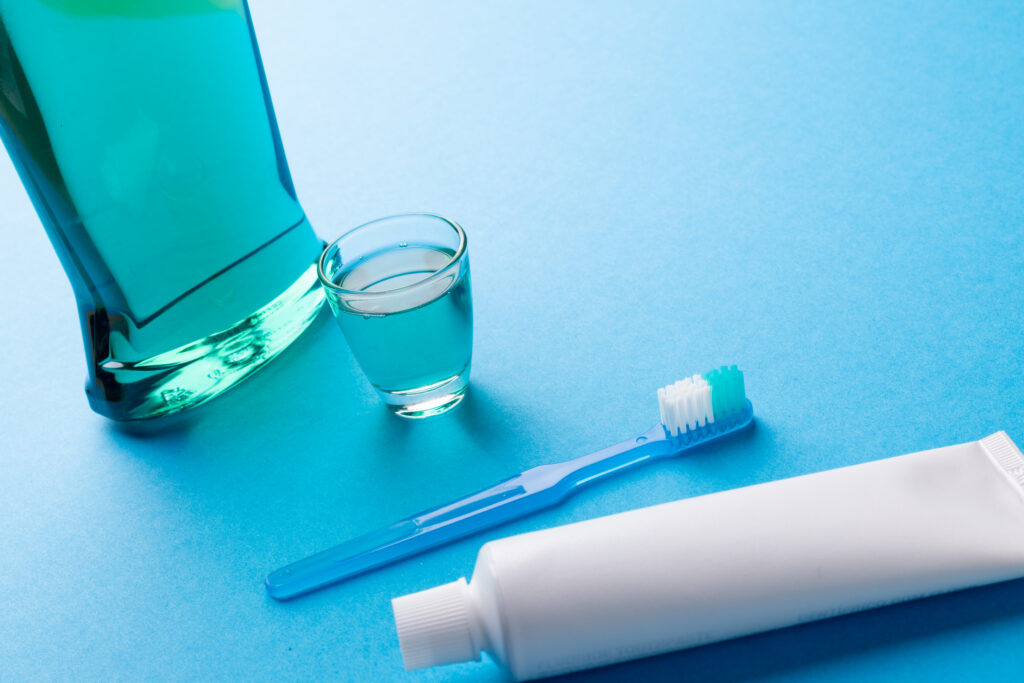
No. Do not rinse with water after using mouthwash. Rinsing washes away the fluoride and antibacterial ingredients before they have had time to work, which is most of the benefit you were paying for. Spit out the excess and leave it. Avoid eating or drinking for about thirty minutes afterward.
This question comes up constantly, and the reason it is confusing is that the instinct to rinse is a good instinct in most other contexts. You rinse after brushing because it feels finished. You rinse a wound. Rinsing something off is usually the tidy thing to do.
With mouthwash it is exactly the wrong move, and understanding why makes the rule stick better than just being told it.
The Mechanism
Almost every over the counter mouthwash works by leaving a residue behind on the tooth surface. Fluoride rinses deposit fluoride ions that get taken up into the enamel and make it more resistant to acid. Antibacterial rinses leave behind an agent that keeps working on the bacterial film for a period after you spit.
Neither of those things happens instantly. They happen over the following minutes and, for fluoride, over the following hours as the mineral is drawn into the enamel surface.
Rinse with water and you remove that residue. The mouthwash was in your mouth for thirty seconds and then you washed the working part down the sink. It is roughly the same mistake as applying moisturiser and immediately wiping it off.
This is also why the advice extends past the rinse itself. Eating or drinking within the first half hour does the same job the water did, just more slowly.
The Right Order
The sequence matters as much as the rinsing question, and this is the part people most often have backwards. There is one rule that surprises nearly everyone: do not use mouthwash immediately after brushing.
Clean between the teeth before anything else, so the rinse and the toothpaste can actually reach the surfaces you just opened up. Doing it last means the fluoride never gets in there.
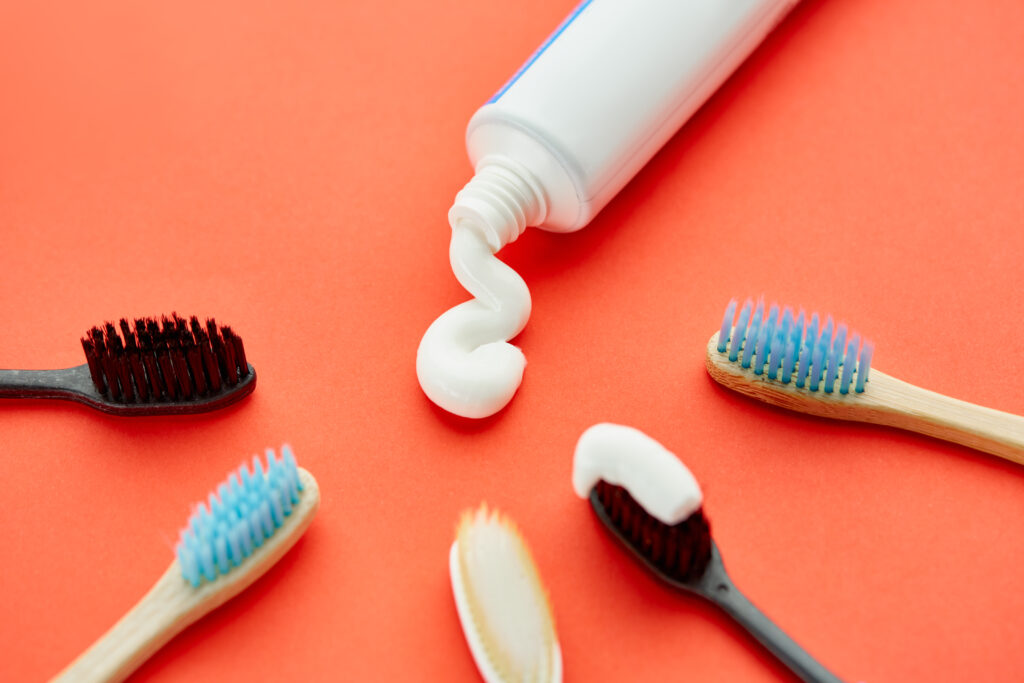
Fluoride toothpaste is far more concentrated than most mouthwashes. Spit out the excess and leave the rest. Rinsing your mouth with water after brushing is the most common way people undo their own toothpaste.
Using mouthwash straight after brushing washes off the concentrated toothpaste fluoride and replaces it with the weaker rinse. Leave a gap, or better, use mouthwash at a different time of day entirely.
Spit out the mouthwash, do not rinse, and give it about thirty minutes before eating or drinking. That window is where the actual benefit happens.
If you only change one thing after reading this, make it the toothpaste. Spitting without rinsing after brushing has more measurable effect on decay risk than any mouthwash decision, because toothpaste carries several times the fluoride concentration of a typical daily rinse.
Not All Rinses Are the Same
The advice above covers ordinary daily rinses. It does not cover every product sold as mouthwash, and the differences change what you should do.
| Type of rinse | What it is doing | Rinse with water after? |
|---|---|---|
| Fluoride rinse | Depositing fluoride into enamel to reduce decay risk. Needs contact time. | No. Spit and leave it, and wait about thirty minutes before eating or drinking. |
| Antiseptic rinse | Reducing bacteria, often with essential oils or cetylpyridinium chloride. Keeps working after you spit. | No. Rinsing removes the residual effect that is the whole point. |
| Cosmetic rinse | Masking odour. No active ingredient that changes the bacteria or the enamel. | It makes no real difference either way. It is also not doing much for your oral health. |
| Chlorhexidine, prescription only | Prescribed short term after surgery or for active gum disease. Strong antibacterial. | Follow the specific instructions you were given. These often do say to rinse or to wait longer, and they are not interchangeable with the general rule. |
| Alcohol-based rinse | Usually antiseptic. The alcohol is a carrier, not the active ingredient. | No. Worth switching to alcohol-free if it stings or if you have dry mouth. |
If a dentist has prescribed chlorhexidine gluconate, the general advice on this page does not apply to it. Two things are true of it that are not true of ordinary mouthwash.
Where This Fits
It is worth being honest about the size of the effect here. Getting the rinsing question right is a real improvement, and it is a small one next to brushing properly twice a day and cleaning between your teeth. Mouthwash is a useful addition to those two things and a poor replacement for either.
If you are using mouthwash mainly because of persistent bad breath, that is worth investigating rather than managing. Breath that comes back within an hour of rinsing usually has a cause: gum disease, a dry mouth from medication, a failing restoration trapping debris, or something outside the mouth entirely.
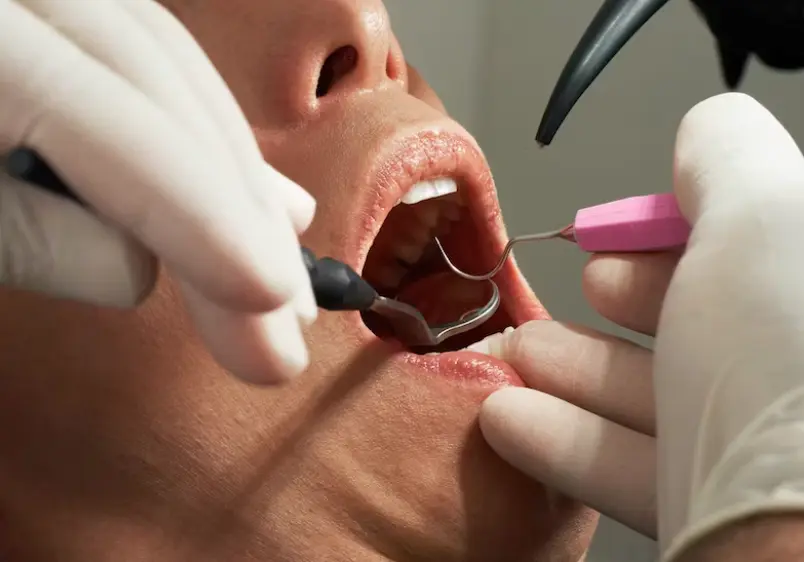
A hygiene visit at any of our four offices will find out which. If the cause turns out to be gum inflammation, gum disease treatment deals with it directly, and the breath problem usually goes with it.
People Also Ask
No. Rinsing with water washes away the fluoride and antibacterial ingredients before they have had time to act on your teeth and gums, which removes most of the benefit. Spit out the excess and leave the rest in place.
About thirty minutes. Eating or drinking sooner clears the active ingredients off the tooth surface in much the same way rinsing with water would, just more gradually. Water included.
Follow the label, which for most products is thirty seconds to one minute of swishing. Longer is not better and does not increase the effect. What matters more is what happens after you spit, which is leaving it alone.
Brush first, then leave a gap before the mouthwash, or use the mouthwash at a different time of day. Rinsing immediately after brushing washes away the concentrated fluoride from your toothpaste and replaces it with the much weaker concentration in the rinse, which is a net loss.
It is not harmful, but it undoes the benefit. Water clears the fluoride and antibacterial residue off the teeth before they have finished working. If you are thirsty, wait out the thirty minute window if you reasonably can.
No, and this matters more than the mouthwash question. Spit out the excess toothpaste and leave the rest. Toothpaste carries several times the fluoride concentration of a typical daily mouthwash, so rinsing it away immediately is the most common way people reduce the effect of their own brushing.
Yes. Chlorhexidine is prescribed for a short course, usually around two weeks, and it interacts with the detergent in most toothpastes, so the timing around brushing is specific. Follow the instructions that came with your own prescription rather than general mouthwash advice, and do not keep using it indefinitely, because long term use causes brown staining.
This article is general information about oral health. It is not a diagnosis and it cannot account for what is happening in your own mouth. If something hurts, bleeds, or has changed, book a visit and let someone look at it.
Four Offices
Family Tree Dental has four offices across the Mid-Ohio Valley: two in Marietta, on Colegate Drive and on Acme Street, one in Belpre, and one on Rosemar Circle in Parkersburg. Every office does general, hygiene and cosmetic work, and every office opens at 7am, which is the part most patients tell us actually decides where they book.
If you are nervous about the chair, say so when you book rather than when you arrive. Pillows, blankets and cable TV are standard, and sedation options from nitrous oxide upward are available for patients who need more than that.
Breath that returns within an hour has a cause worth finding. Book a hygiene visit in Marietta, Belpre or Parkersburg and we will work out what it is.