

They do, and the failure mode is disappointment rather than harm. The peroxide quietly turns into water and oxygen while the box sits in your bathroom.
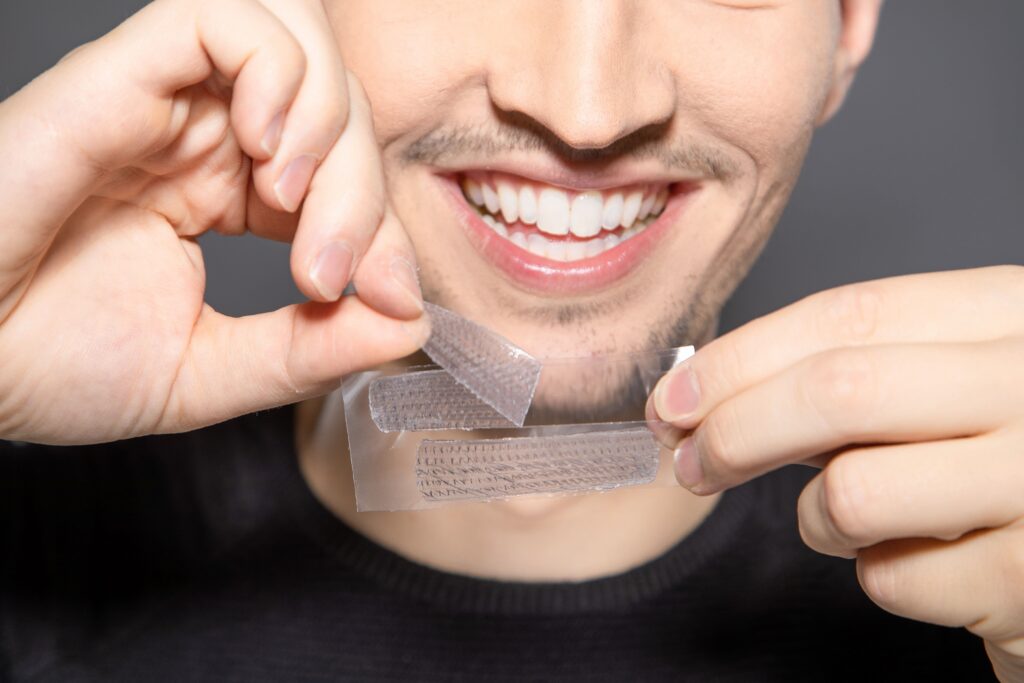
Yes. Whitening strips carry an expiration date, typically one to two years from manufacture. The active ingredient is hydrogen or carbamide peroxide, which decomposes over time into water and oxygen, so an expired strip is weaker rather than harmful. Using one is generally not dangerous, it simply will not whiten much. Heat and light accelerate the breakdown, which is why a bathroom cabinet is the worst place to keep them.
Almost everyone asking this question has just found a half-used box in a drawer and wants to know two separate things: will it hurt me, and will it work. Those have different answers, so it is worth splitting them.
The short version is that the safety risk is low and the effectiveness loss is real and often total. Most people who use old strips do not get hurt, they just conclude that whitening strips do not work on their teeth, which is the wrong lesson to take from it.
The Chemistry
The whitening agent in a strip is hydrogen peroxide, or carbamide peroxide, which breaks down into hydrogen peroxide once it contacts moisture. Peroxide is inherently unstable. Left alone it decomposes into water and oxygen, which is the same reaction that makes it fizz on a cut.
That decomposition happens slowly in a sealed pouch and much faster with heat, light and air. It is not a switch that flips on the printed date. It is a gradual slide, so a strip a month past its date is usually close to full strength and one three years past may have essentially nothing active left in it.
The strip itself also degrades. The adhesive gel dries out, which is why old strips often will not stay put, and a strip that slides off the tooth delivers nothing regardless of how much peroxide is left in it.
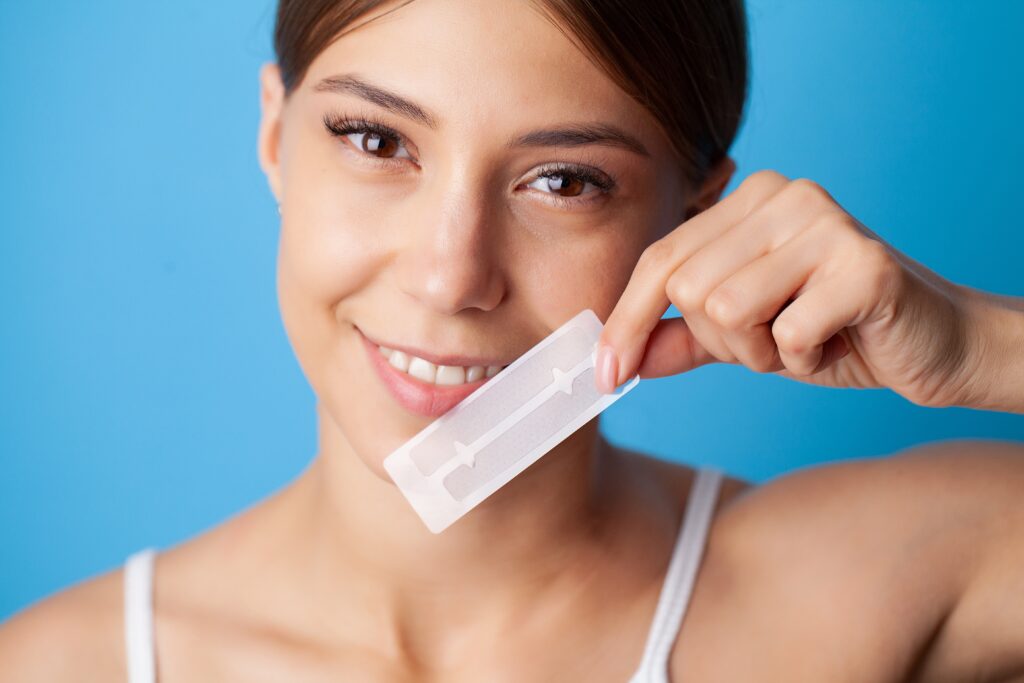
Practical
Usually stamped on one end flap of the carton or printed on the foil pouch seam, often as a plain month and year. If the carton is gone, check the pouch itself before assuming it is unknowable.
Some brands print a manufacturing lot code instead of an expiry. As a working rule, treat unopened strips as good for around two years from purchase and be sceptical past that.
A bedroom drawer or a linen closet beats a bathroom cabinet by a wide margin. Bathrooms cycle through heat and humidity every time someone showers, and both accelerate the breakdown.
Refrigeration is unnecessary and freezing can separate the gel from the backing. Cool and stable is the goal, not cold.
Open only the pouch you are about to use. Once air reaches the gel the countdown gets considerably shorter than whatever the box says.
Gel that has dried, hardened, discoloured or separated, a strip that will not adhere, or an unusual smell. Any of those and the date is academic.
If the strips are only modestly past date and were stored somewhere cool, there is no real reason not to try one and see. If nothing has changed after a full course, that is your answer, and it is a cheaper answer than replacing them speculatively.
Safety, Separately
This is the half of the question people are usually more worried about, and it is the half with the more reassuring answer.
Peroxide degrades into water and oxygen. It does not turn into something harmful, and there is no toxic breakdown product to worry about. The main consequence of an expired strip is that it does not work.
A pouch that has been open, torn, or stored in a damp bathroom can grow bacteria or mould in the gel. That is a reason to discard rather than to use, and it is visible: check the gel before applying.
Temporary tooth sensitivity and gum irritation are common with whitening strips at any age of product. If it happens, stop, leave a few days, and consider a lower-strength option. It is not a sign the strips have gone off.
Peroxide on gum tissue causes a temporary whitish patch and mild soreness in some people, which settles. Persistent pain, bleeding or a burn that does not resolve within a day or two is worth a call.
Whitening only works on natural tooth structure. It does not change the colour of crowns, veneers, bonding or fillings, so whitening around existing front-tooth restorations can leave them looking darker by contrast. Discolouration caused by decay, an old root canal, or a knock to a tooth also does not respond to strips, and staining that has appeared on one tooth alone is worth having looked at rather than bleaching.
The Alternative
If you have worked through a box of strips and been underwhelmed, the honest explanation is usually one of three things: the strips were old, the concentration was too low for the kind of staining you have, or the discolouration is not the sort that bleaching addresses.
Professional teeth whitening differs from strips in ways that matter for a stubborn case. The concentration is higher, the trays or application are shaped to your own teeth so the gel sits where it is meant to and off the gums, and somebody has looked at the teeth first to establish what is causing the colour.
That last part is the one that saves people money. A tooth that has darkened on its own after an old injury will not respond to any amount of bleaching, and finding that out before buying a third box is worth the visit on its own.
It is also worth mentioning if you have a wedding, a reunion or family photographs coming up. Timelines differ between approaches, and planning backward from the date generally produces a better result than starting a course the week before.

People Also Ask
Yes. Most carry an expiration date one to two years from manufacture. The active peroxide gradually decomposes into water and oxygen, so the strips lose strength over time rather than becoming unsafe. Heat and light speed that process up considerably.
Generally yes, in the sense that the peroxide breaks down into harmless components and there is no toxic byproduct. The practical risk is that they will not work. The one real reason to discard rather than use is contamination: gel that has dried, discoloured, separated or smells unusual, particularly from a pouch that has been open or stored somewhere damp.
You can try, and manage your expectations. Two years past the date, especially stored in a bathroom, usually means a substantially weaker result or none at all. If they were kept somewhere cool and dark and the pouches are sealed, there is a reasonable chance they still do something. If a full course produces no visible change, the strips are the reason.
Check the end flap of the carton or the seam of the foil pouch, where the date is usually stamped. If there is no date or the carton is gone, look at the gel itself: strips that have gone will often have dried or hardened gel, discolouration, separation between gel and backing, or will simply not stick to the tooth.
Somewhere cool, dark and dry, with the pouches sealed until use. A bedroom drawer or linen closet is much better than a bathroom cabinet, because bathrooms cycle through heat and humidity every time someone showers and both accelerate the breakdown of peroxide. Do not freeze them, as that can separate the gel from the backing.
There is no evidence that expired strips damage enamel any more than in-date ones. Temporary tooth sensitivity and mild gum irritation are common side effects of whitening at any product age, and they settle after stopping. Persistent pain, bleeding, or a gum burn that has not resolved within a day or two is worth a call rather than pushing on.
For stubborn discolouration, usually yes. Professional whitening uses higher concentrations, applies them with trays or techniques shaped to your own teeth so the gel stays on the enamel and off the gums, and starts with someone establishing what is actually causing the colour. That last part matters, because staining from an old injury, a previous root canal, or an existing crown or filling will not respond to bleaching at all.
This article is general information about oral health. It is not a diagnosis and it cannot account for what is happening in your own mouth. If something hurts, bleeds, or has changed, book a visit and let someone look at it.
Four Offices
Family Tree Dental has four offices across the Mid-Ohio Valley: two in Marietta, on Colegate Drive and on Acme Street, one in Belpre, and one on Rosemar Circle in Parkersburg. Every office does general, hygiene and cosmetic work, and every office opens at 7am, which is the part most patients tell us actually decides where they book.
If you are nervous about the chair, say so when you book rather than when you arrive. Pillows, blankets and cable TV are standard, and sedation options from nitrous oxide upward are available for patients who need more than that.
Sometimes the strips are old, and sometimes the staining is not the kind that bleaches. Book a whitening consultation in Marietta, Belpre or Parkersburg and find out which.